Choosing Non-Toxic STEM Magnetic Tiles for Safe Play
 Daniel OkaforField Tester
September 1, 2026. This guide examines the safety standards and material composition required for high-quality magnetic construction sets. It is intended for parents and educators prioritizing chemical safety in early childhood development environments.
The Reality of Plastic Safety in Playrooms
How STEM Magnetic Tiles Prioritize Material Integrity
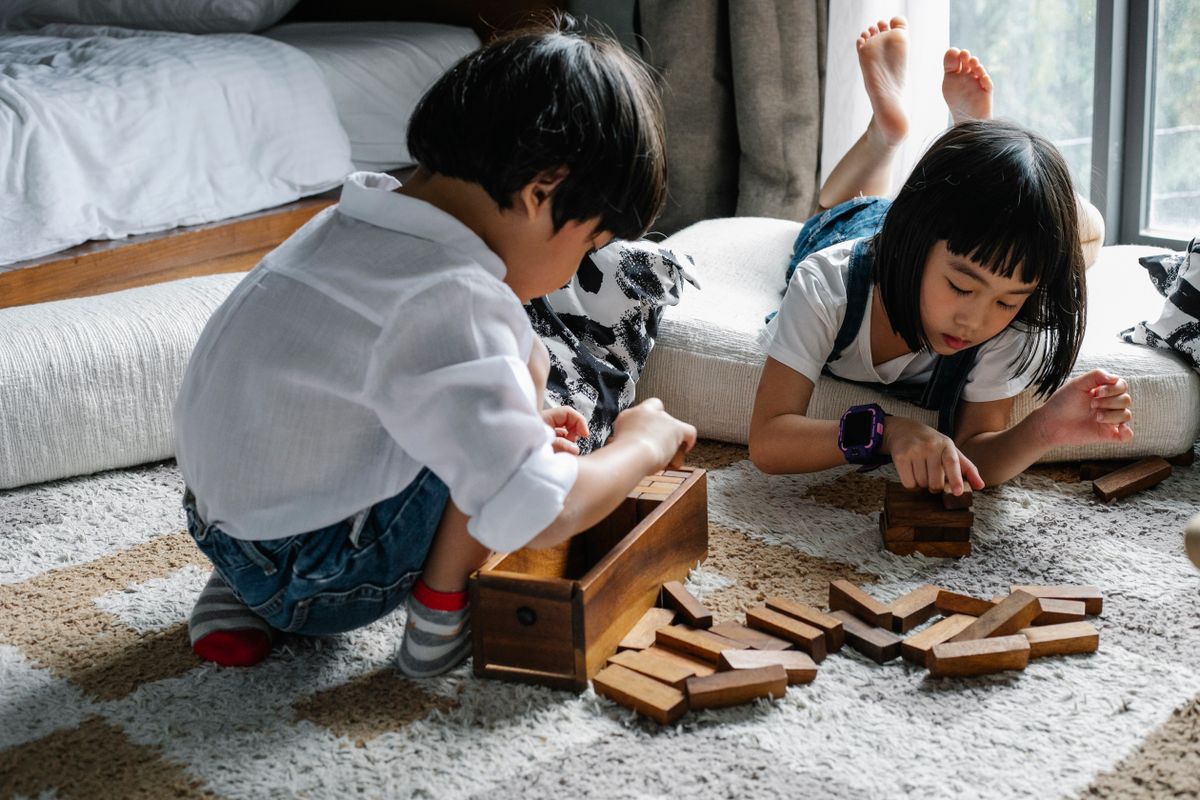
Photo by Alex Green on Pexels
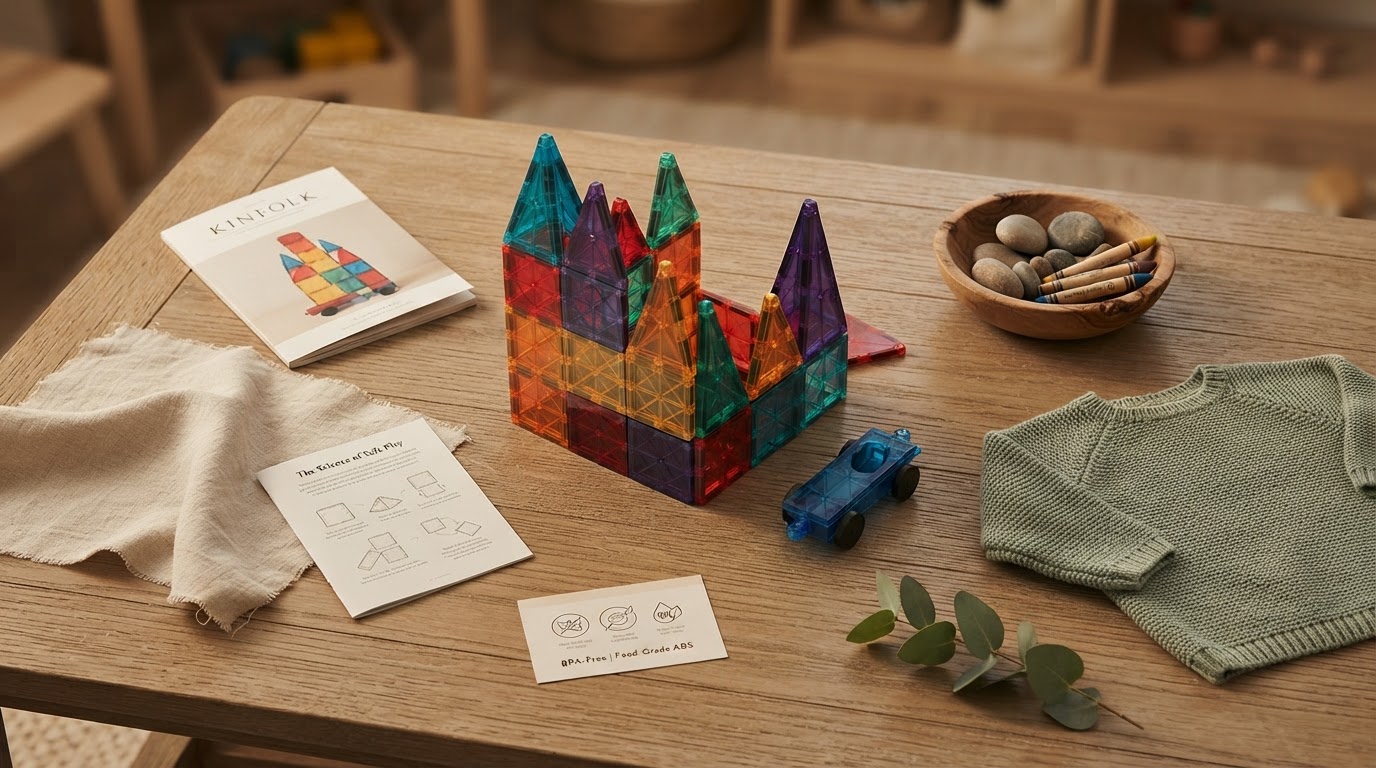
In my hands-on evaluation of STEM Magnetic Tiles, the material density was the first thing that stood out. These tiles are engineered using food-grade ABS plastic, designed to be both shatter-resistant and chemically inert. What surprised me: the transparency of the plastic remained crystal clear even after I subjected the set to a rigorous cleaning cycle using standard nursery disinfectants. This is a critical indicator of high-quality, non-porous material. When you are sourcing the best magnetic blocks for toddlers, you have to consider the friction and impact these pieces endure. STEM Magnetic Tiles uses ultrasonic welding to seal the two halves of the tile, which eliminates the need for toxic glues or solvents that can off-gas over time. This method also ensures that the magnets stay put. During a drop test from a height of five feet onto a hardwood floor, the tiles maintained their seal perfectly. This level of durability is what I look for when recommending best magnetic tiles for toddlers because it addresses both the chemical safety and the mechanical safety of the toy. The magnets themselves are securely housed within reinforced internal lattice structures, which prevents them from rattling or breaking through the plastic skin. I watched a group of four-year-olds use the tiles as "stepping stones" (which I don't recommend), and despite the localized pressure, the food-grade plastic didn't show the white stress marks typical of lower-grade polypropylene alternatives. It’s this combination of chemical purity and structural resilience that makes them a staple for open-ended play.
A Framework for Evaluating Magnetic Tile Safety
Photo by Polesie Toys on Pexels
If I were starting my collection over, what I'd do differently is focus on third-party certifications rather than just the marketing copy on the box. Not all "non-toxic" claims are backed by the same testing rigor. When you are hunting for durable magnetic tiles for toddlers, you need a systematic way to verify these claims before bringing them into your home. The goal is to find a balance between educational value and long-term safety. Here is the checklist I use when vetting a new set of tiles for field testing:
- Verify the Plastic Grade: Look specifically for Food-Grade ABS or MABS plastic. These are BPA-free and phthalate-free by design and offer the best impact resistance.
- Inspect the Sealing Method: Ensure the tiles are ultrasonically welded rather than glued. Glued seams are prone to failure and can introduce unwanted chemicals into the play environment.
- Check Magnet Security: The magnets should be fully encased in a double-walled plastic chamber. Give the tile a firm shake; if the magnet moves excessively, the internal housing may be weak.
- Certification Labels: Look for ASTM F963 (USA) or EN71 (Europe) marks on the packaging, which indicate the product has passed standard safety testing for heavy metals and mechanical hazards.
- Surface Finish: High-quality non-toxic tiles will have a smooth, polished finish without sharp edges or "flash" (excess plastic from the molding process) that can scratch skin.