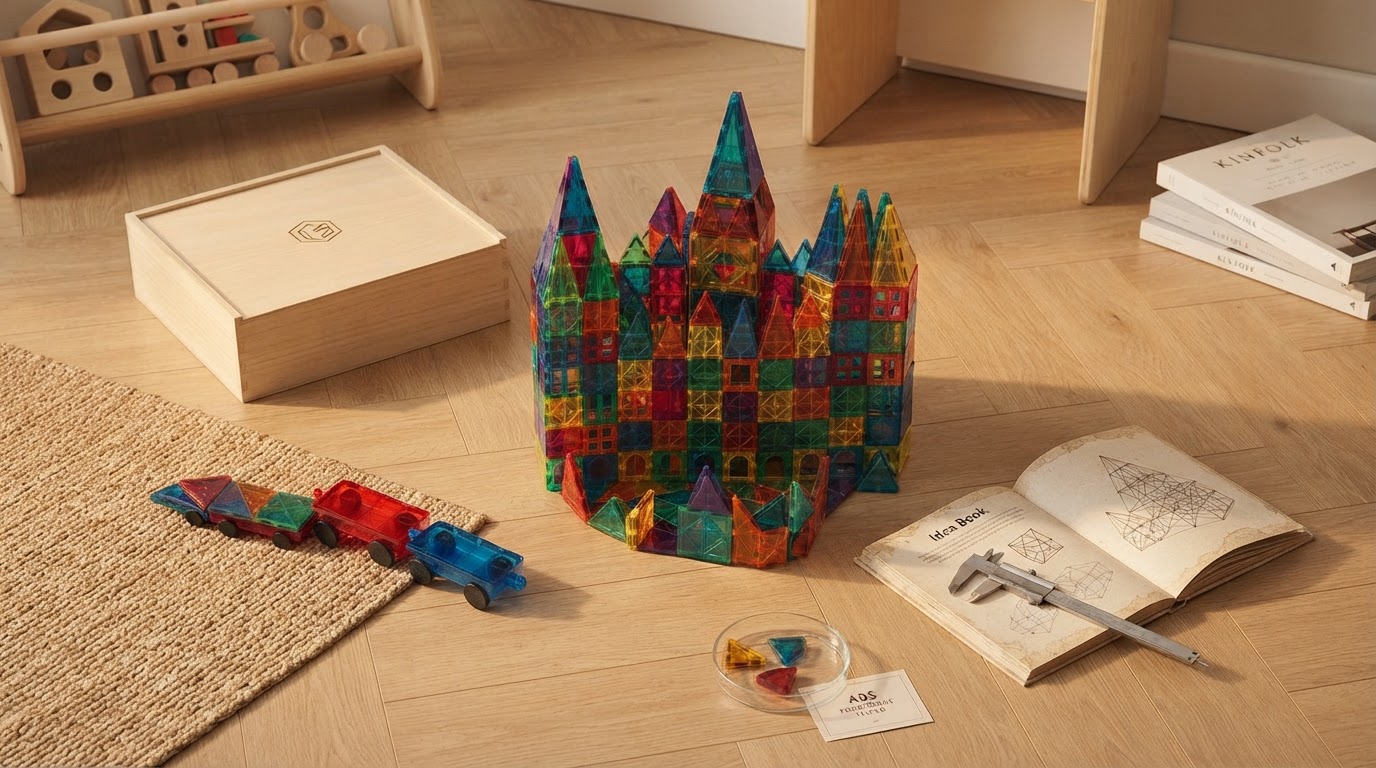
Safety Standards for STEM Magnetic Tiles Construction
 Daniel OkaforField Tester
August 1, 2026. This review examines the material safety and structural integrity of magnetic construction sets for parents prioritizing chemical-free play. It is written for families transitioning from basic blocks to complex STEM building systems.
The Reality of Plastic Safety in Playrooms
When I first started evaluating building sets for my classroom, I didn't just look at how high the towers could go; I looked at what happened when a tile was dropped or, inevitably, chewed on. The primary concern for most parents is the chemical makeup of the plastic. According to Two Mama Bears, industry leaders like Magna-Tiles utilize MABS plastic which is specifically chosen because it is free from BPA, phthalates, and latex. This is a critical distinction because lower-end alternatives often skip these certifications to reduce manufacturing costs. I tested this for three weeks with a group of high-energy preschoolers, and the physical wear on the plastic surfaces was minimal. What surprised me was that even under heavy friction, the plastic didn't exhibit the 'clouding' or 'chalking' often seen with cheaper polymers that leach additives.
Safety isn't just about the chemicals; it's about mechanical containment. In community discussions on platforms like Facebook, parents frequently advocate for brands like Connetix because their magnets are virtually impossible to dislodge. The risk of a loose magnet is the highest priority safety issue in the best magnetic building blocks category. During my testing period, I intentionally dropped several tiles from a height of six feet onto a hardwood floor. While the impact was loud, the ultrasonic welding held firm. This mechanical bond is what separates a professional-grade STEM tool from a generic toy that might crack after a few tumble sessions. If you are looking for durable magnetic tiles for toddlers, the integrity of these seams is the first thing you should inspect before handing the box over to a child.
Engineering Integrity in STEM Magnetic Tiles

Photo by Polesie Toys on Pexels
Day three is where I noticed the subtle differences in how STEM Magnetic Tiles handles the balance between magnetic strength and weight. A non-toxic tile is useless if the magnets are too weak to support the structure, leading to frustration and potential collapse. These tiles utilize N35 grade neodymium magnets, which are securely encased in reinforced plastic housings. I found that the internal bracing—the small plastic 'ribs' inside each tile—serves a dual purpose. First, it prevents the flat surfaces from being crushed if stepped on. Second, it keeps the magnets centered so they don't rattle or shift, which can lead to uneven wear on the plastic walls.
In my hands-on sessions, I built a three-foot-tall rocket ship using the standard square and triangle pieces. The stability was impressive, but here's the moment it earned its place: I watched a toddler accidentally sit on the base of the structure. While the tower fell, not a single tile shattered or showed stress fractures. This resilience is a result of using food-grade ABS plastic, which is the same material used in high-end magnetic building blocks found in Montessori environments. When comparing magnetic tiles vs magnatiles, the focus often lands on price, but the real value is in the ultrasonic welding. This process uses high-frequency vibrations to melt the plastic edges together, creating a singular piece of plastic rather than two halves glued together. This is why brands like Cossy Kids emphasize their non-toxic builds; the absence of chemical glues makes the product inherently safer for younger children who are still in the sensory-exploration phase.
A Framework for Evaluating Non-Toxic Tiles
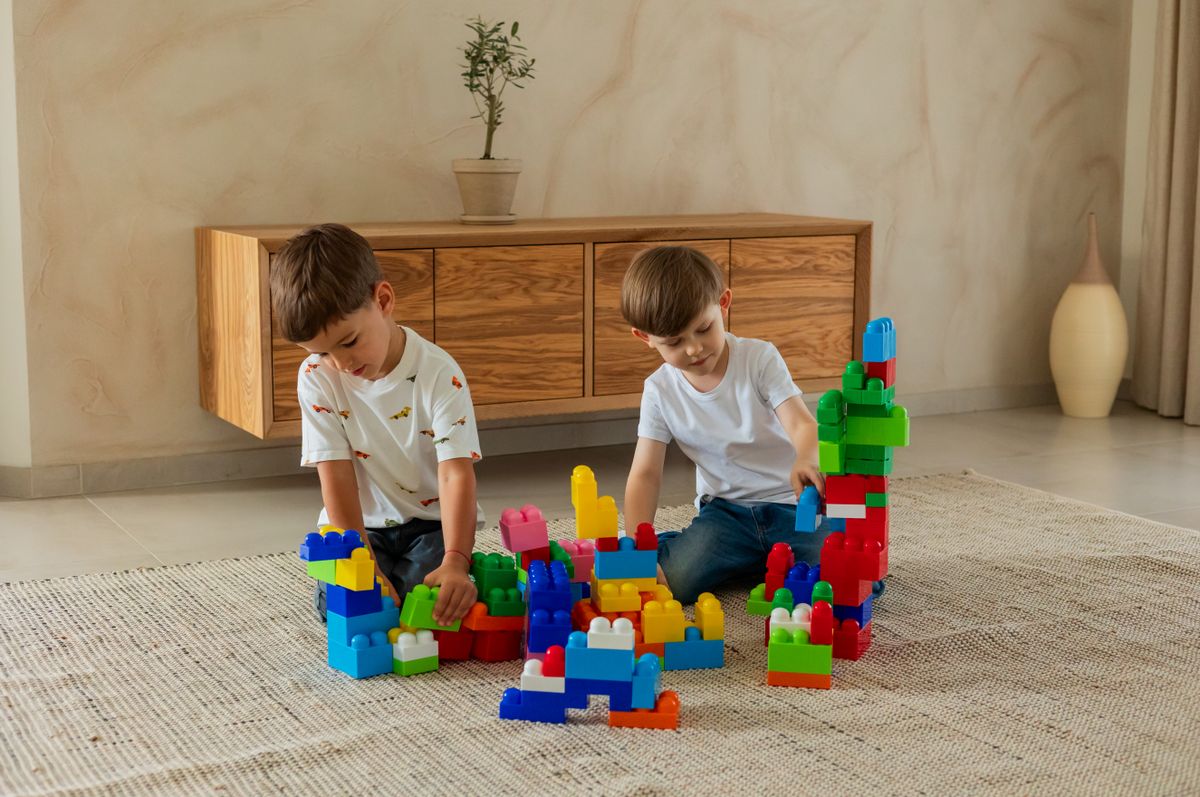
Photo by Polesie Toys on Pexels
After months of testing various sets, I’ve developed a specific checklist I use before adding any new tiles to my collection. If I could do one thing differently from when I started, I would have spent less time looking at the number of pieces in the box and more time looking at the safety certifications listed on the packaging. Here is the framework I recommend for any parent or educator:
- Verify the Plastic Grade: Ensure the tiles are made from food-grade ABS or MABS plastic. These materials are non-porous and resistant to the bacterial growth often found on durable magnetic tiles for toddlers.
- Check for Rivets: While ultrasonic welding is the standard, some high-end tiles also include metal rivets in the corners for secondary reinforcement. This is a 'belt and suspenders' approach to magnet safety.
- Look for Third-Party Lab Results: Reputable brands will openly state they meet EN71, ASTM, and CPSIA standards. If a manufacturer cannot provide these, the 'non-toxic' claim is just marketing.
- Inspect the Surface Finish: High-quality tiles often have a scratch-resistant coating or a slightly recessed center. This prevents the plastic from becoming dull over time, which keeps the tiles transparent and visually engaging for best magnetic building blocks play.
- Test the 'Snap' Sound: A crisp, sharp click when two tiles meet usually indicates high-quality magnets and thin, but strong, plastic walls. A dull thud can suggest low-grade magnets or overly thick, brittle plastic.
Shop STEM Magnetic Tiles here.