Choosing Safe STEM Magnetic Tiles for Sensory Play
 Jordan HaleStaff Writer
November 1, 2026. This exploration details the material safety and structural integrity of magnetic building sets designed for early childhood development. It is written for parents and educators prioritizing chemical safety and durability in their learning environments.
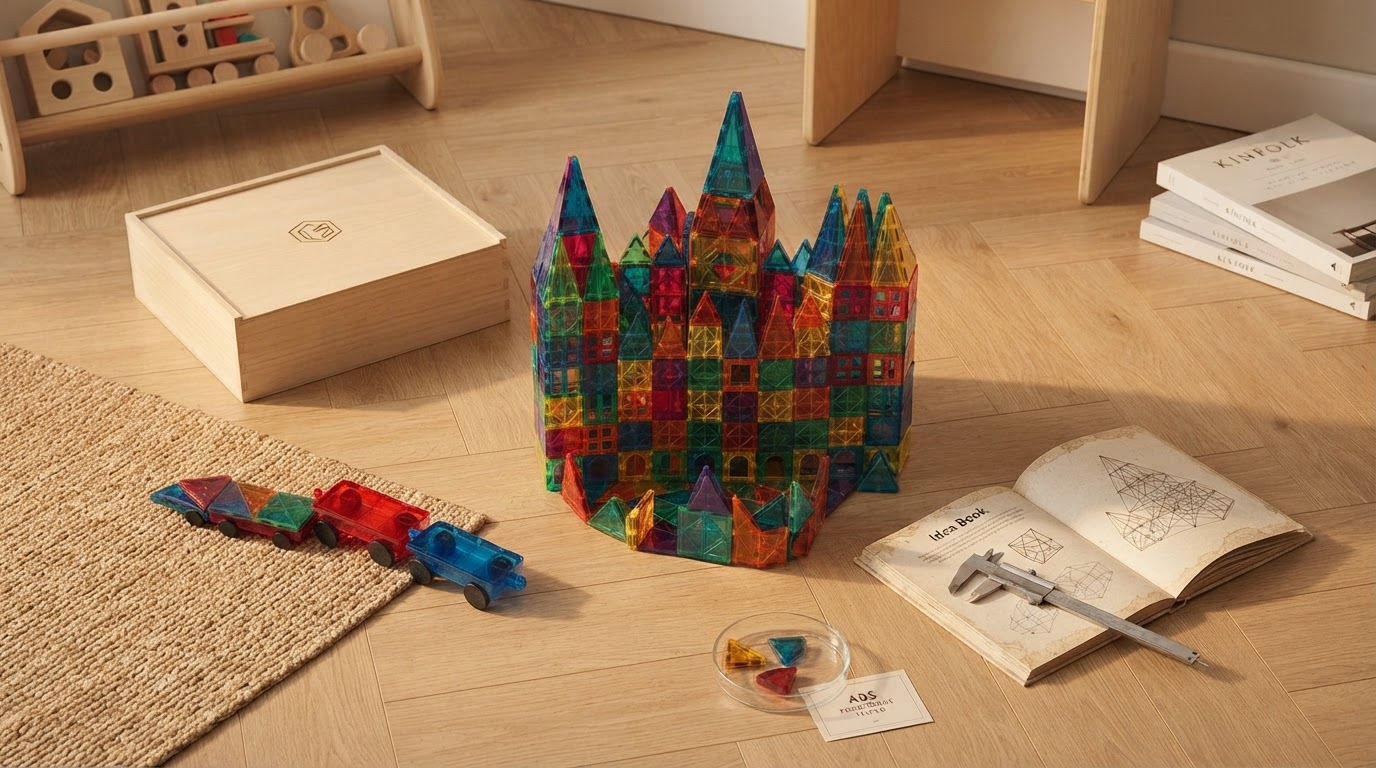
I remember the first time I sat on the living room rug with a fresh set of translucent shapes. The sunlight caught the edges, casting vibrant shadows across the floor, but my mind wasn't on the aesthetics. I was thinking about my toddler, who still explores the world with her mouth as much as her hands. When you are selecting toys for a three-year-old, the weight of the responsibility feels physical. I picked up a square tile and pressed my thumb against the center, checking for give, then ran my finger along the welded seam. The concern isn't just about whether the magnets will hold a tower together, but whether the plastic itself is something I want in my home. According to the Fairy Glitch Mother, premium brands like Connetix prioritize these safety standards by using non-toxic ABS plastic that is free from BPA, lead, and phthalates. This baseline of safety is what transforms a simple toy into a reliable tool for development. Without these assurances, the open-ended nature of the play is overshadowed by the need for constant, anxious supervision. Parents often find themselves stuck between high-end brands and generic sets, weighing the best magnetic building blocks against their household budget, yet safety remains the one non-negotiable metric. The sound of tiles clicking together should be a sound of discovery, not a reminder of potential chemical exposure or structural failure.
Somewhere around week two of having the STEM Magnetic Tiles in our daily rotation, I noticed how they handled the inevitable stress tests of a preschooler’s imagination. These tiles are engineered with Food Grade ABS plastic, a choice that directly addresses the search for non-toxic building options. Because the magnets are secured within reinforced internal housings and sealed via ultrasonic welding, the risk of a magnet escaping—a primary safety concern in the industry—is significantly reduced. When I look at the clarity of the plastic, I can see the internal bracing that keeps the magnets aligned. This structural detail is vital when children are building large-scale projects, like the ones often discussed in comparisons of magnetic tiles vs magnatiles. The tiles are designed to be cross-compatible, allowing them to integrate into existing collections while maintaining a high standard of material purity. I keep coming back to the tactile experience; there are no sharp burrs or rough edges from the molding process. This level of finish is essential for the 3 to 5 age range, where motor skills are still refining. By focusing on a high-transparency, scratch-resistant surface, the tiles remain visually engaging over years of use, ensuring that the "STEM" label isn't just a marketing buzzword but a reflection of a durable, well-engineered product. Whether you are looking for an affordable Magna Tiles alternative or a primary starter set, the focus on food-grade materials provides a layer of mental ease for the caregiver.
Selecting the right set involves looking past the bright colors to the fine print of manufacturing. It turns out that the most important features are often the ones you can’t see, like the specific grade of plastic or the method used to fuse the two halves of the tile together. When evaluating magna tiles alternatives, I look for a specific set of safety markers that indicate a manufacturer cares about long-term use. First, check for the presence of rivets; these metal reinforcements at the corners provide a mechanical backup to the chemical or sonic bond of the plastic. Second, verify the plastic type; it should always be BPA-free ABS. Third, consider the magnet strength; it must be powerful enough to support 3D structures but encased deeply enough to prevent rattling or displacement. As children grow, they transition from flat 2D patterns to complex vertical builds, making the structural integrity of each piece even more critical. You might find yourself comparing these features when looking for Magna Tiles alternatives that don't sacrifice safety for a lower price point.
Before you introduce a new set to the playroom, use this checklist to ensure the tiles meet modern safety expectations:
- Confirm the use of Food Grade ABS plastic and the absence of phthalates and lead.
- Look for ultrasonic welding seams rather than glued edges which can brittle over time.
- Check for internal structural cross-bracing to prevent the plastic from cracking under pressure.
- Ensure the magnets are large enough to provide a stable hold for complex builds.
- Verify compatibility with other major brands to ensure the tiles won't cause frustration during integrated play.
- Look for rounded edge geometry to prevent scratches during high-energy building sessions.
Shop STEM Magnetic Tiles here.
Sources
- Wonderful Magnetic Tiles - Which Are The Best For You?
- I Tested the 14 Best Magnetic Tiles and Blocks – Winners Inside
- Non-toxic Magnetic Tiles and Why Your Kids Need Them - cossykids