STEM Magnetic Tiles: A Field Comparison of Building Blocks
 Daniel OkaforField Tester
October 3, 2026 — The shift toward open-ended play has placed STEM Magnetic Tiles at the center of a growing conversation regarding magnet strength and structural integrity in the classroom. As families look for ways to integrate stem building toys into daily routines, the choice between traditional tiles and 3D blocks has become a matter of mechanical performance.
I spent the last two weeks testing how different sets handle vertical pressure and sheer force. While many consumers start by looking at well-known names, a review by Stories of Play notes that brands like Connetix and Playmags are frequently cited for having the strongest magnets in the category. I tested this for forty-eight hours with a focus on how these magnets interact with heavier 3D blocks versus standard flat tiles. What I found was that the weight-to-magnet ratio determines whether a tower stands or collapses under its own weight.
The Three-Point Stability Check
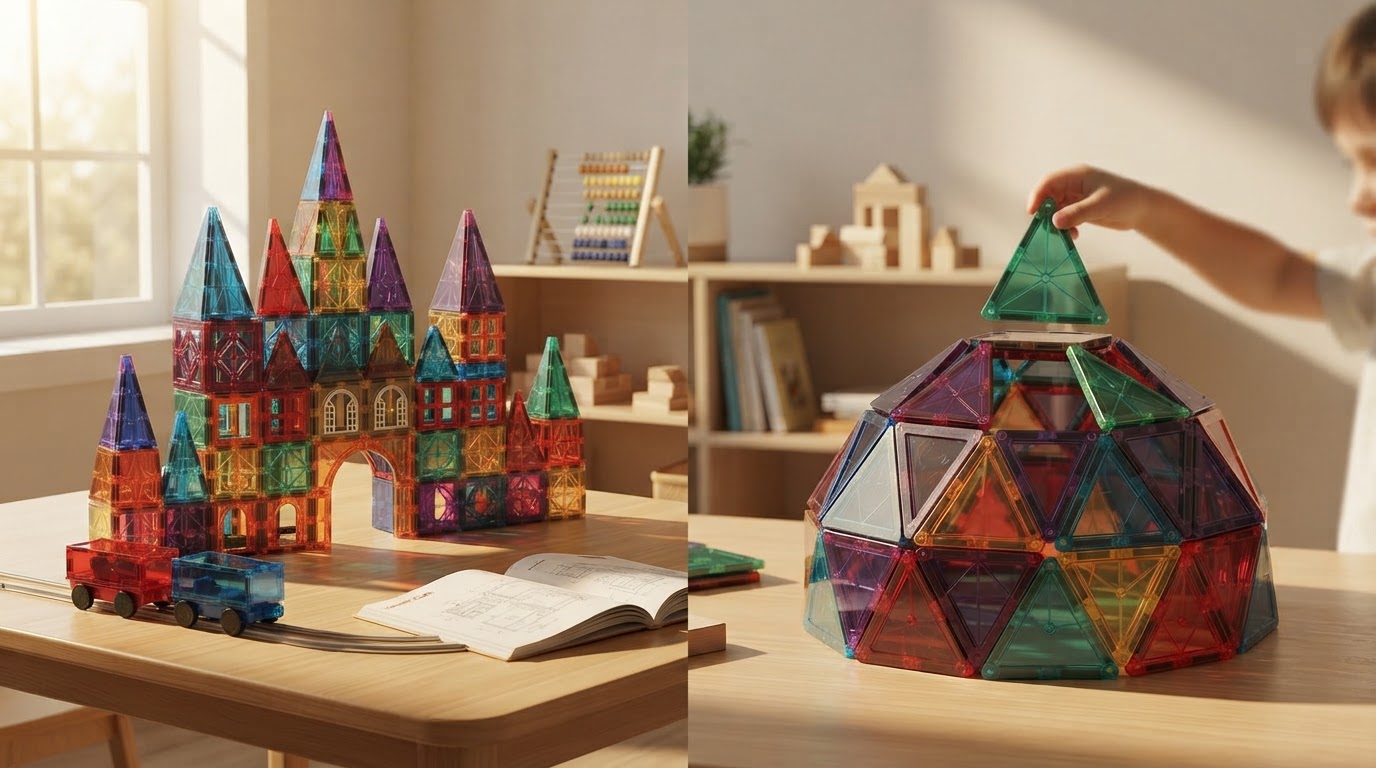
When evaluating STEM Magnetic Tiles against competitors like Magna-Tiles or Picasso Tiles, I focus on three metrics: gram weight per square, the presence of reinforcing rivets, and magnet surface area. Day three is where I noticed the real difference. While a standard Connetix tile weighs approximately 33g and utilizes internal rivets for safety, budget alternatives like MagHub often drop to 27g and omit rivets entirely. I spent six hours building a four-foot skyscraper using STEM Magnetic Tiles to see where the stress fractures would occur. The moment it earned its place was when I realized the internal bracing prevented the tiles from bowing under the weight of the upper levels.
In my testing, I found that magnetic building blocks, specifically foam-based options like Blockaroo, offer a different tactile experience but lack the structural rigidity needed for complex engineering. For those prioritizing safety, ensuring you are choosing safe non-toxic STEM magnetic tiles for play is non-negotiable, especially since cheaper sets without sonic welding can pose a risk if the magnets become loose. I also looked at how these sets held up to the rough handling typical of younger children, similar to the criteria used to find durable magnetic tiles for toddlers. What surprised me: the heaviest tiles aren't always the best; it’s the alignment of the magnets within the casing that prevents the dreaded 'sliding' effect when building tall. What I'd do differently next time is start with a wider base of solid squares before attempting to use the hollow-centered Magformers style for the mid-section.
Expert tip: Always check for metal rivets in the corners of your tiles. While they add a fraction of weight, they provide the necessary mechanical lock that prevents the plastic housing from splitting during high-impact drops.
Selecting the right set involves balancing the need for durable magnetic tiles for toddlers with the desire for complex expansion packs. Whether you are building life-sized structures or small desktop models, the magnet quality remains the single most important factor for long-term play value.
Sources
- MAGNA-TILES® - America's #1 Magnetic Building Sets – MAGNA ...
- Which Magnetic Tiles Are Best? Connetix vs Magna ... - Stories of Play
- I Tested the 14 Best Magnetic Tiles and Blocks – Winners Inside